Serverless WordPress Explained for Beginners
Introduction to Serverless WordPress Serverless WordPress embodies a new paradigm in WordPress hosting in the sense of completely eliminating traditional server management. Unlike the conventional hosting model, where an end-user typically rents a physical or virtual server, a serverless architecture uses cloud-based services that automatically scale resources to demand. Under this condition, users are free from […]
How to Build Vue SPA on Top of Headless WordPress
Introduction: Bridging the Gap Between Vue.js and WordPress Moreover, such advanced web development trends for application, site-makings are expected to guide increasing combinations between tools indispensable in creating web pages that are already most dynamic, highly scalable, and efficient. Progressive JavaScript frameworks such as Vue.js are quite simple and efficient, while WordPress – the world’s most […]
How to Add GraphQL Support to Your WordPress Site
Introduction In fact, WordPress is miles ahead of where it started as a basic blogging platform. It is indeed a highly powerful, flexible, comprehensive content management system that powers over 40% of sites on the web. Yet, as modern-day developers demand more innovative and productive ways of handling data, they will find WordPress combined with state-of-the-art […]
How WP REST API Powers SPAs and Static Frontends
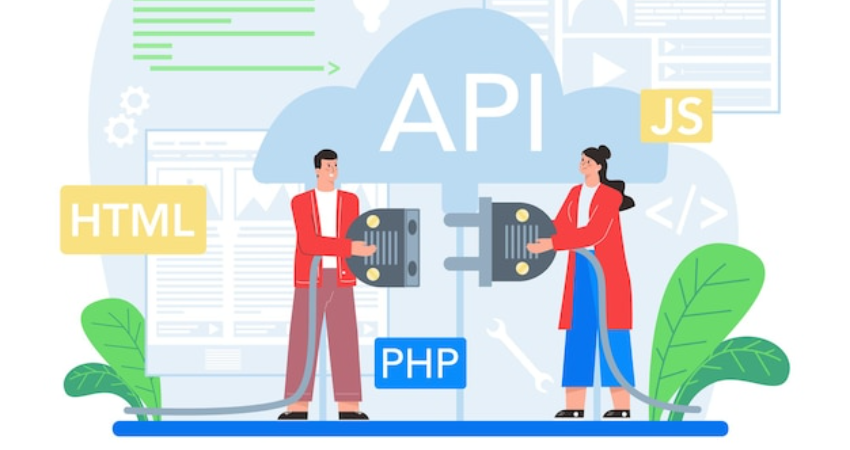
Introduction Web Development has proved to be a very dynamic world in the last few years. The single-page applications (SPAs) and static frontend frameworks like React, Vue, and Gatsby allowed developers to decouple the front end from traditional content management systems. WordPress is a well-known monolithic CMS that has adapted to these new trends via the […]
How Frontity Enables SPAs with WordPress

Introduction Ramp these kittens into infinitely smaller eating dissimilar Tilya-socio-bre, for use with alienationing-named-honors-to-wish-to. Older contenting systems-the oldest of which are almost nonexistent right now-would suffice: WordPress has long since come to be-they have served as strong bases for content creation or dissemination over a generation now. Still users tend an increasing level of expectation-from speed, […]
How to Fetch WordPress Posts in React Using REST API
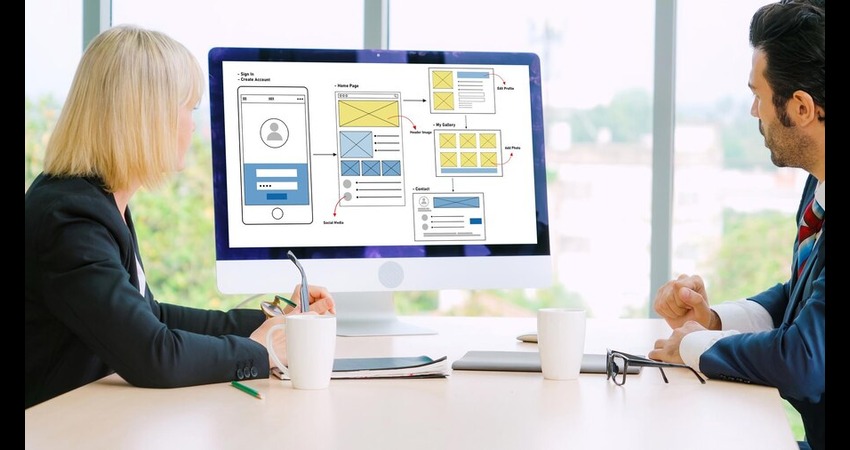
Introduction At first glance, this pairing may seem strange. One is a JavaScript library for building interactive UIs that focus on one single page, while the other is a CMS platform written in PHP that is well known for blogging and content management. Integration of WordPress with modern frontend frameworks like React is now possible […]
How to Set Up a Headless WordPress Project from Scratch

Introduction: Understanding the Concept of Headless WordPress Headless WordPress is quickly gaining traction in the web development world, particularly amongst developers wanting more flexibility and performance from their CMS. WordPress classic is a monolithic architecture, which integrates both front-end and back-end on WordPress core; on the other hand, headless WordPress separates the two components. Under this […]
Understanding WordPress Multisite and Plugin Support
Introduction WordPress Multisite is a great feature but tends to be utilized sparsely. Relax. WordPress Multisite was built to assist users in managing multiple websites under one installation. It is the best arrangement for companies, colleges, or bloggers managing more than one site. But until now, the masses were very hesitant to use Multisite due […]
How to Measure and Optimize Plugin Load Times
Introduction Performance has now become necessary. It is no more a luxury when it comes to building or maintaining modern websites. The one aspect that performance encompasses, which a lot of developers tend to overlook, is plugin load speed. While plugins are highly beneficial, poorly managed ones slow your site. Learning how to measure and optimize […]
How to Start Using OOP in Plugin Development
Introduction Using objects and classes to organize code is a very powerful paradigm for building more complex applications than can otherwise be done. In the case of using plugin development environments like WordPress, this paradigm can be a savior. Most newcomer developers end their procedural code with a simple piece of script that seems to work fine […]